Happy Birthday to The Little Prince, Antoine de Saint-Exupery
- 26 avr.
- 2 min de lecture
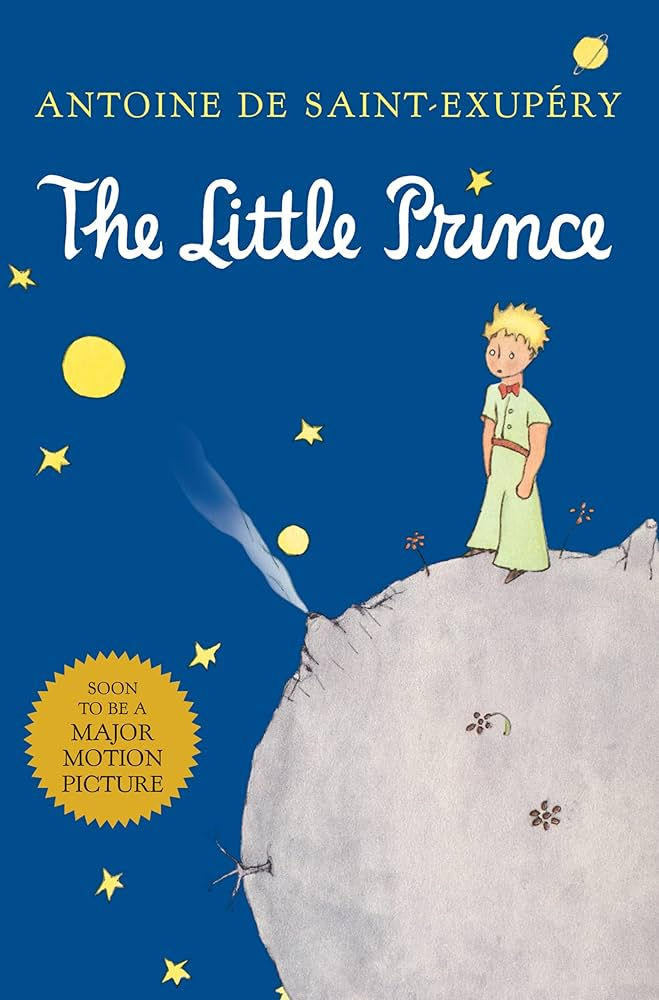
Today at Les Epicuriens Book, we discuss a masterpiece of French literature that I first read during my early school years in the French system. At that age, I didn’t fully appreciate it. While many see it as a children’s book, I now view it more as a philosophical work. Rereading as an adult, I was struck by how the story of the little prince and the aviator explores the values we hold as adults compared to childhood honesty. It raises questions about whether we forget important truths as we grow up. The book invites us to reflect on themes such as the innocence of childhood, the meaning of true friendship, and the critique of adult behaviour. Through encounters with characters like the fox, the rose, and various grown-ups on different planets, the story explores ideas of love, responsibility, and how adulthood can make us lose sight of what really matters. These philosophical questions encourage us to reconsider our own perspectives and reflect on what is truly essential in life. I also found myself wondering which character I relate to most. The book is quite short, telling the story of an aviator whose plane breaks down and who meets a young boy. The author, Antoine de Saint-Exupéry, was born in Lyon, France, in 1900. He was a French explorer and author who also wrote Night Flight, The Wisdom of the Sand, and Wind, Sand and Stars (contributors, 2024).
The Little Prince by Antoine de Saint-Exupéry has captivated readers for 80 years and remains a favourite for many adults. If you haven't read it, we recommend giving it a try. The book speaks to both children and adults, revealing new meanings at every stage of life. As we reflect on our changing perspectives, consider how your experiences shape how you understand the story. We encourage you to share any personal connections, memories, or feelings that came up for you while reading, as this can help create a more engaging and relatable conversation for everyone. Consider the following questions for our discussion.

To guide our discussion, consider the following: How has your interpretation of The Little Prince changed since your first reading? What new meanings or insights do you notice now? We also invite you to identify and discuss the literary techniques used throughout the book, such as symbolism and allegory. For example, consider what the rose or the fox might represent, or how the different planets visited by the little prince serve as allegories for aspects of human nature. Reflecting on these devices can help us deepen our appreciation of the story and develop our analytical skills. We look forward to hearing your thoughts soon at our book club conversation. Before we delve deeper, here are some key facts about the author.
Here is some more information about Antoine de Saint-Exupéry, the genius author behind The Little Prince. Saint-Exupéry’s own life as an aviator and explorer profoundly influenced his writing. His experiences flying over vast deserts and facing challenges far from home are reflected in the themes of exploration, loneliness, and human connection found throughout The Little Prince. Understanding that the author drew on his real experiences helps us see how the story’s adventures and philosophical reflections are connected to his own outlook on life.